
World Cup Hub
"3 Countries. 16 Cities. 48 Teams. One strategy to do it without the logistics crisis."
How to Plan Free Days Without Wasting Them
Planning a World Cup trip sounds exciting until you realize the matches are only part of the story. The real challenge shows up in the gaps: the free days, the awkward half-days, and the “should we do something or rest?” debates. Most bad free-day plans happen because people only look at the calendar and ignore the human part.
The One-Anchor Day
Pick one main thing. Let the rest stay flexible. The safest format.
The Reset Day
Brunch, wandering, maybe one view. Maintenance for the next match.
The Neighborhood Day
Pick one area and give it room. Walk, eat, sit down, breathe.
The Match-Day Formula
Half-Day Gaps
Keep it local. One neighborhood, one meal, zero transport drama.
Full-Day Gaps
One major anchor (museum or attraction) + one flexible supporting idea.
Multi-Day Gaps
Split the energy. One proper exploration day, one lighter reset day.
What to Avoid
- Too many neighborhoods in one day (it turns into transport time).
- Long day trips with awkward logistics (only if genuinely easy).
- Booking every hour like a museum exam timetable.
- Ignoring match timing (late matches change the next day).
The Host Cities: The Easiest Ones
Not every host city is equally easy for travelers. Some help you; others make your trip a second job. Picking a host city is about landing and immediately feeling like the trip is happening, not debugging your plans for two days.
Best Overall Pick
Toronto
Major hub, easy city rhythm, least-regret choice.
Best for Arrivals
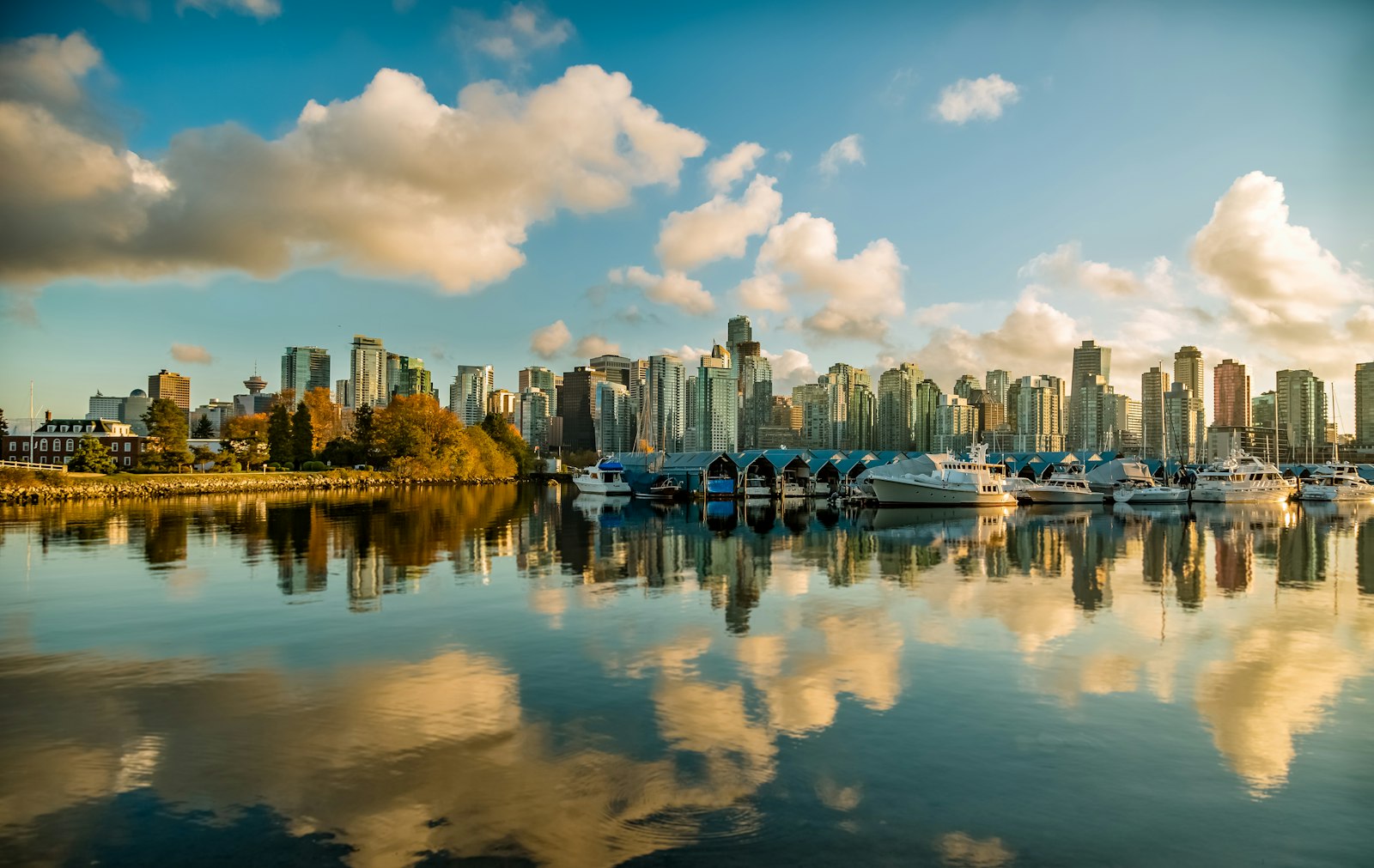
Vancouver
Scenic, intuitive, and the best airport-to-city flow.
Best U.S. Ease
Seattle
Manageable urban base with fewer transport headaches.
Practical Choice
Philadelphia
Strong East Coast substance with less friction.
The "Iconic" vs "Easy" Trap
The Flashy Picks
NY/NJ, LA, and Miami. They have the star power, but they come with heavy traffic, higher prices, and multi-airport chaos.
The Smart Picks
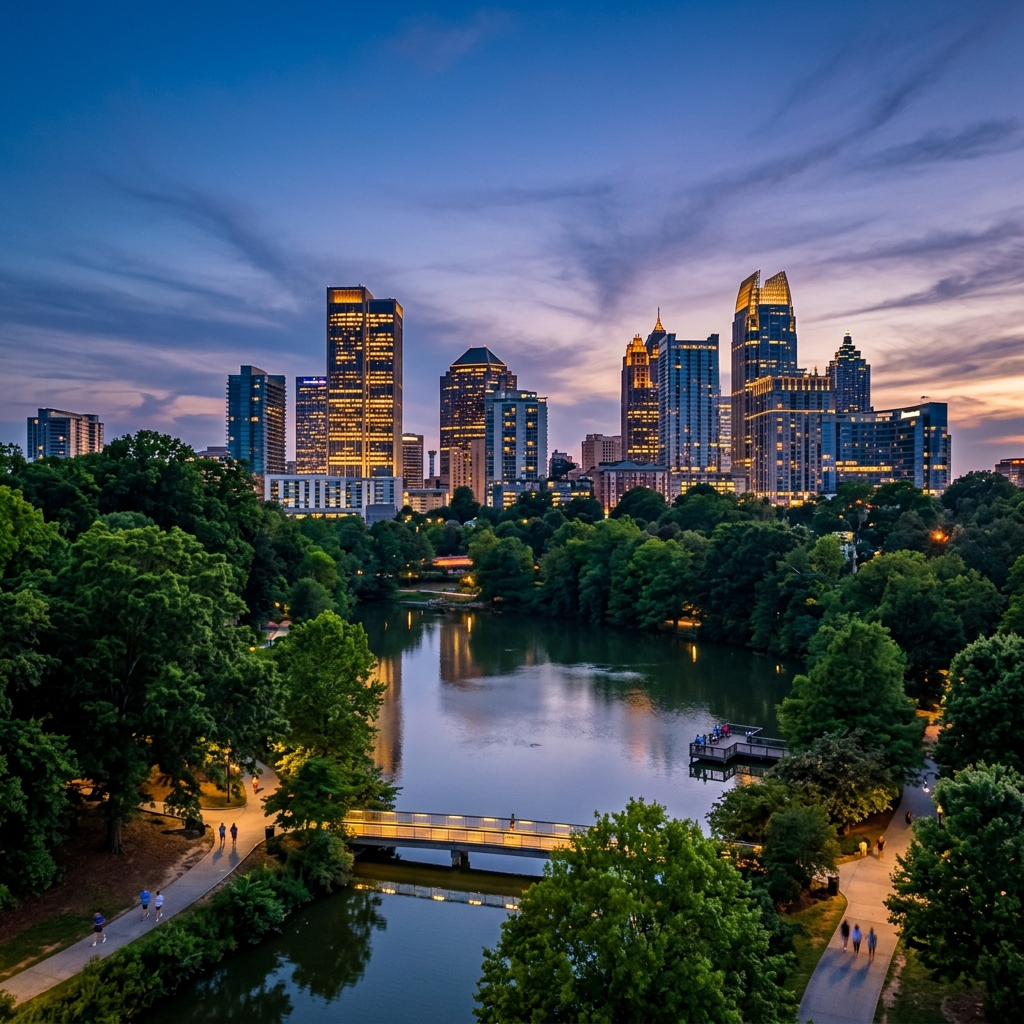
Toronto, Vancouver, and Atlanta. They offer infrastructure that absorbs event volume without breaking your itinerary.
Final Verdict by Travel Style
Host City Super Guides
Detailed deep-dives for every major base. Lodging, logistics, and "anti-overthinking" strategy.









Don't Get Priced Out
World Cup match weeks see hotel prices spike by up to 300%. The smart money is on booking your base area as soon as the host city schedule is confirmed.